



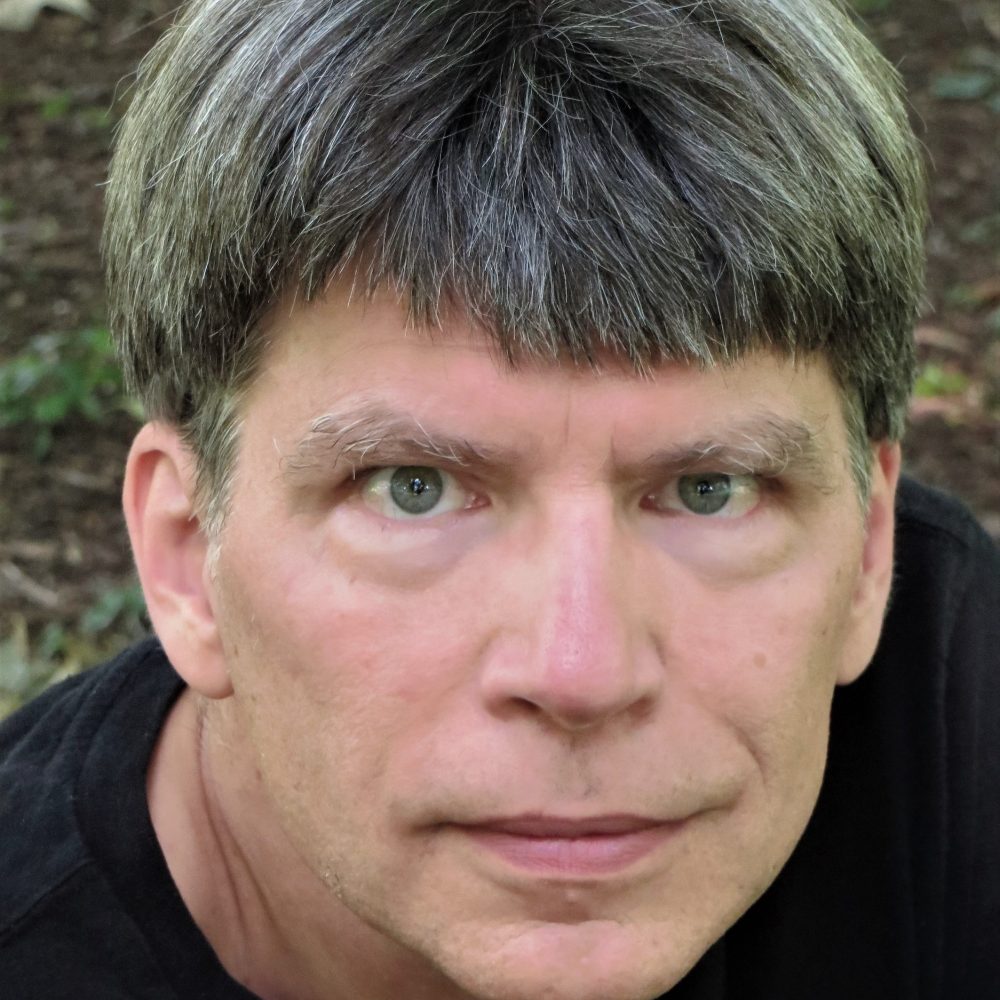
Richard Powers is an American novelist whose works explore the effects of modern science and technology. Like in Galatea 2.2, a story about an artificial intelligence experiment gone awry, and in Orfeo, where we follow Peter, a retired avant-garde composer, who is mistaken for a bio-terrorist after being caught with a makeshift genetics lab in his house.
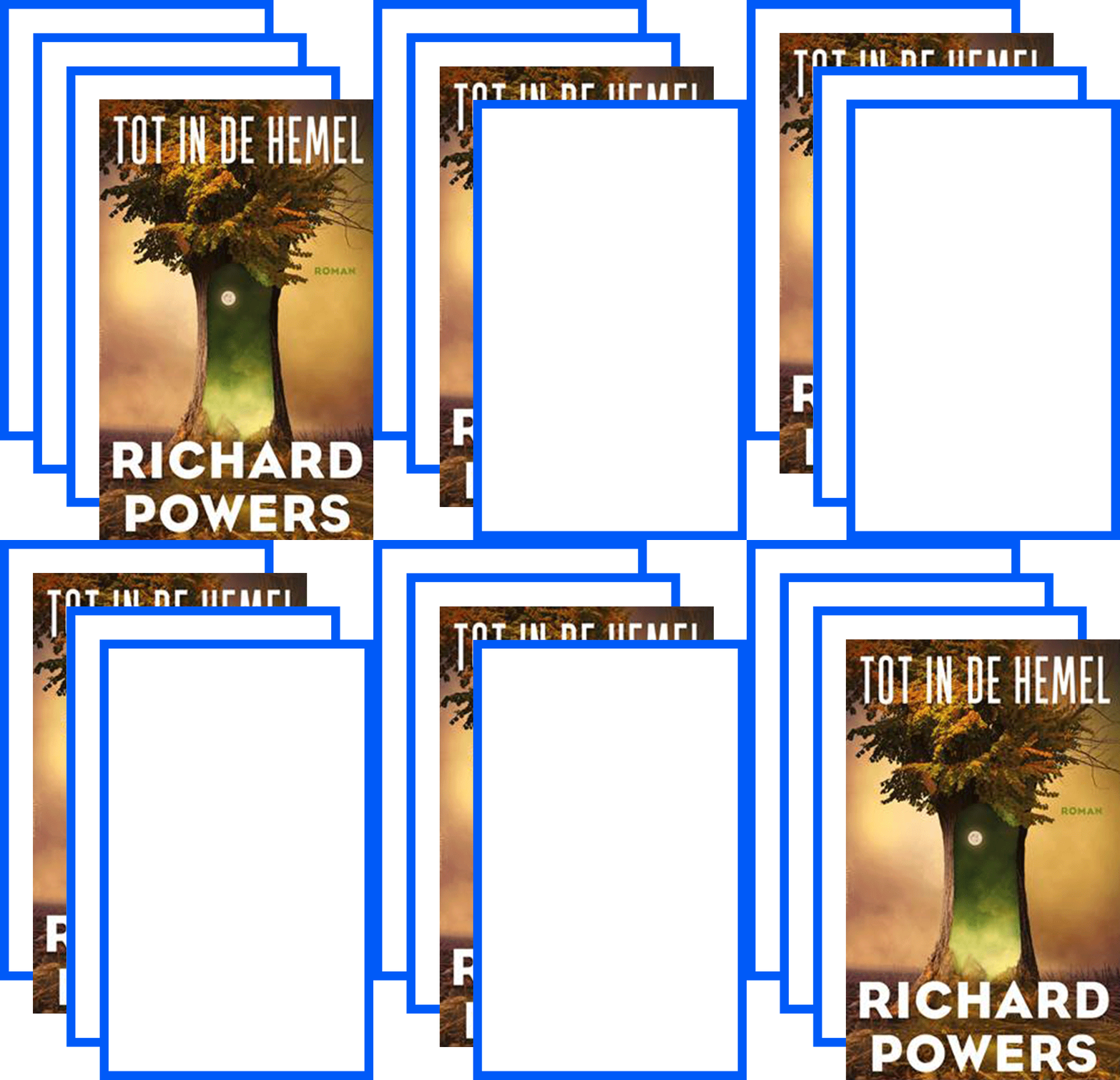
His latest work, The Overstory, is a novel about a world alongside ours—vast, slow, interconnected, resourceful, magnificently inventive, and almost invisible to us. If the trees of this earth could speak, what would they tell us? A small group of strangers is brought together in a last and violent stand to save the continent’s few remaining acres of virgin forest. A conflict between humans and nonhumans.
Powers has published 12 novels and won many awards over the course of his career, including a MacArthur Fellowship. He has taught at the University of Illinois and Stanford University. Powers was born in Illinois, but he has lived in various other countries, such as in Thailand and The Netherlands.
Powers about his first book: I’m going to put everything that I know in this book because I’m never going to get another shot at this…Afterwards, I figured, I’d have to go back and do jobs that people are willing to pay for.