




SOLD OUT
This event is only accessible with a separate ticket (10 euro*). Free entrance with your friday dayass or 2 or 3-day passe-partout on the basis of available seats. Email to reserve a seat: corina@crossingborder.nl
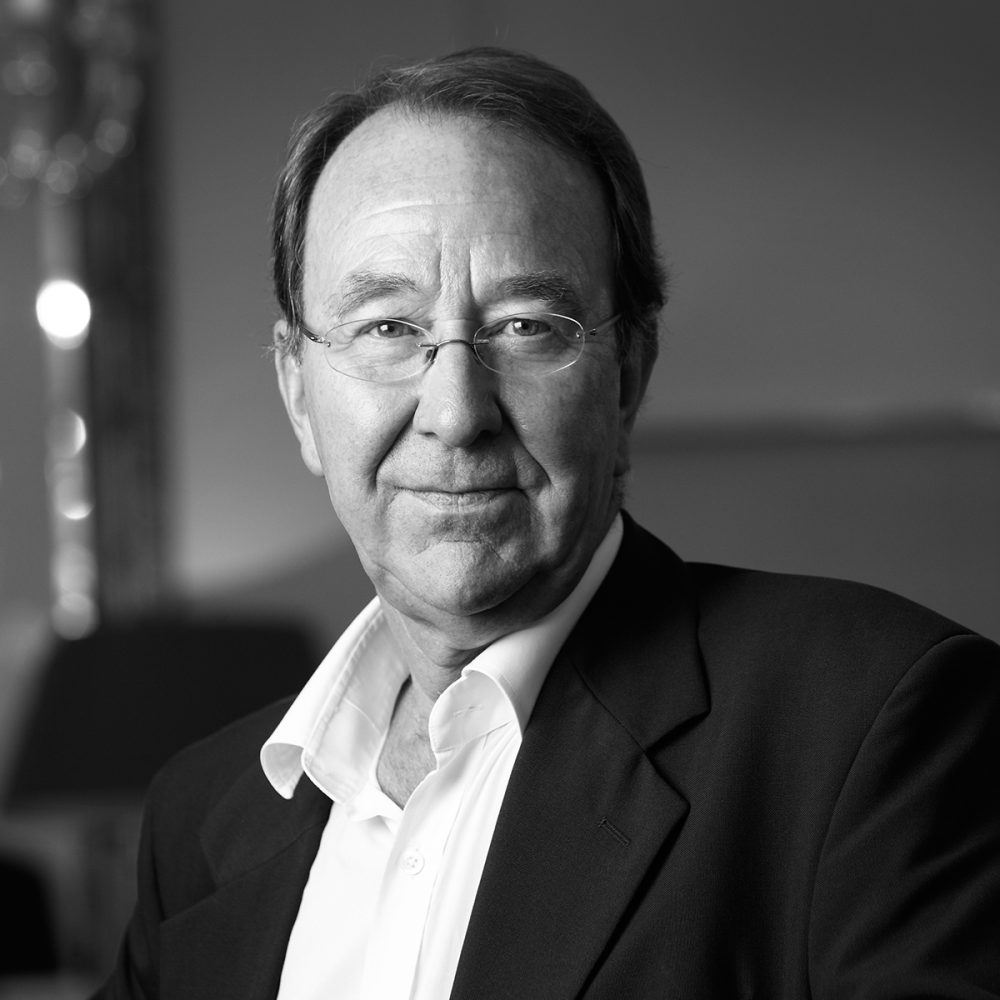
Starting his career as a medievalist, British historian Sir Ian Kershaw (1943, Oldham, England) is now known as one of the world’s leading experts on Adolf Hitler and Nazi Germany. Sounds quite contradictory, but as he improved his German languages skills for his research on the German peasantry in the Middle Ages, he eventually switched research fields in the 1970s. On a visit to West Germany in 1972, he came into contact with an ex-Nazi who told him among other things that ‘the Jew is a louse’. Tremendously shocked by this outburst, it became one of the trigger points of Kershaw’s extensive research into the social history of Germany’s Nazi era.
Instead of using the generally used top-down approach by looking at the actions and motives of high-status people, Kershaw’s first book Hitler Myth: Image and Reality in the Third Reich (1980) reversed the roles by investigating the everyday life of Germans and the public’s attitudes to Hitler. He researched Hitler’s hypnotic and “charismatic leadership” and his propaganda media machine from the bottom up, through the eyes of ordinary German people. How on earth could the reign of Hitler happen? And why did so many Germans allow the brutality and criminality of the Nazis?
After more than four decades of immersing himself in Nazi history, and writing around 20 publications on this topic, Kershaw will never get immune to the Nazi horrors. “I don’t think you ever get immune to the horrors, but of course, it is true that you get familiar with these horrors. So to that extent, there isn’t very much which is new in there, which really strikes you, because the whole thing is so horrific and you dealt with it for so long and in so many different ways. But I think you never forget, or shouldn’t ever forget exactly what this man and the regime that he headed produced in the way of destruction, human and material, in Europe at that time. And the extent of that, as soon as you reflect on that for a second or two, is just mind-boggling […] there is no immunity to these horrors”, Kershaw explained during an interview in 2009.
Throughout his career, Kershaw has written numerous books on Nazism, the Third Reich and Hitler. His books, especially the two-volume biography of Hitler, have been translated into many languages and won several awards. His book The End (2011), in which he documented the last nine months of the Third Reich, literally meant the end in more than one way. After about 40 years of researching Nazi Germany, his next task was to write a two-volume history of Europe in the 20th century for the Penguin History of Europe series. Kershaw’s overview of the 1914 to 1949 period in Europe, To Hell and Back, was published in 2015. According to newspaper The Guardian, it immediately deserved a ‘classic status’.
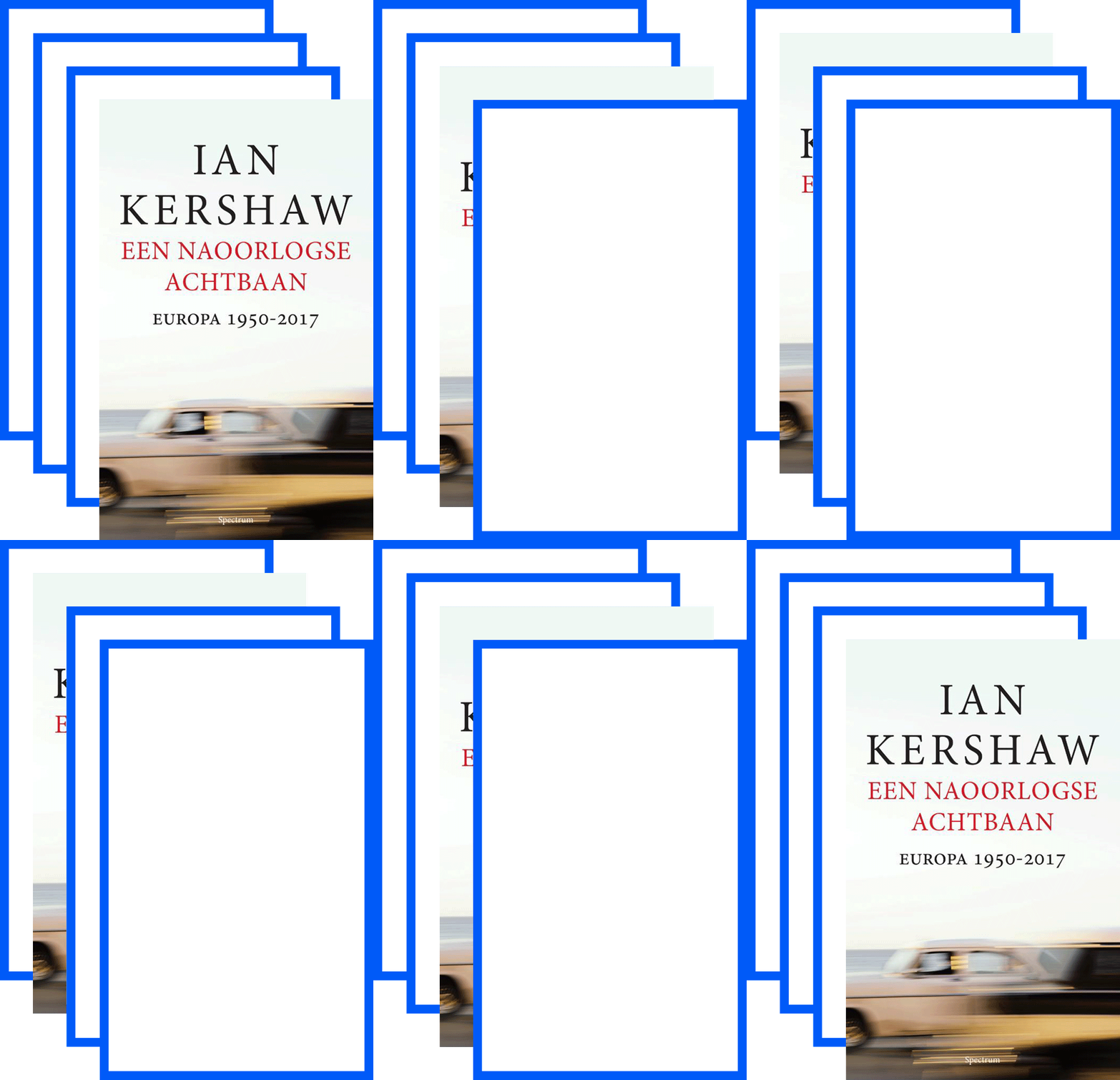
Kershaw’s latest work and sequel of To Hell and Back was published in August 2018. In Roller-Coaster: Europe, 1950-2017 he takes the reader with him into the aftermath of the Second World War to the present. After the catastrophic first half of the 20th century, the years from 1950 to 2017 brought peace and relative welfare. It also transformed post-war Europe into a divided continent. From the people living under the nuclear threat of the Cold War whose futures were dictated by the USA and USSR to the interlocking crises after 2008, Kershaw draws on examples from all over Europe to explain the roller-coaster ride Europeans experienced. The book gives you an insight in the shaping of the contemporary European mentality and what it’s like to be European.
At the age of 75, Kershaw is Emeritus Professor of Modern History at University of the Sheffield and lives in Manchester. Although Kershaw dislikes the neo-feudal title and the aura of grandeur it has, Queen Elizabeth II knighted Professor Sir Ian Kershaw on December 10, 2002, at Buckingham Palace for his services to history.
*Prices exclude €1,50 service- and additional transaction costs.